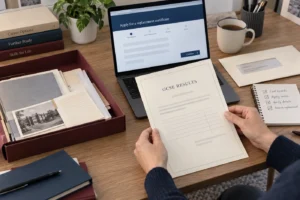

If your UK degree certificate has been lost, stolen or damaged, you can usually request a replacement from the university that awarded the degree. Search the awarding university’s website for “replacement certificate”, “award certificate” or “student records”, then follow its current application process. Most universities ask for identity evidence, award details, an explanation of what happened to the original and a fee.
The practical answer: contact the degree-awarding university, not a private document seller and not automatically the college where you attended classes. Confirm which document the recipient needs, collect your former student details, submit the university’s form, pay the published charge and allow time for checks, production and delivery.
There is no single UK-wide replacement degree certificate service. Each university sets its own eligibility rules, evidence requirements, price, processing period and delivery choices. Some institutions issue a paper replacement, some also provide secure electronic documents, and others may offer a transcript or award-confirmation letter while you wait.
This guide takes you through the process step by step. It also explains what to do if you studied at a college but another university awarded the degree, if the institution has merged or changed its name, if you now use a different name, if an employer wants direct verification, or if the document will be used overseas.
Can I Get a Replacement Degree Certificate?
Usually, yes. UK universities commonly accept replacement requests when the original certificate has been irretrievably lost, stolen, destroyed or seriously damaged. Approval is not automatic, though. The university must find and confirm the academic record, establish the applicant’s identity and make sure its rules for replacing the original have been met.
Many universities treat the degree certificate as a controlled document. Their policies may say that only one certificate for an award should be in existence at a time. The University of Oxford, for example, says graduates cannot request multiple copies simply for convenience and that an earlier copy becomes invalid once a new one is printed. The University of Stirling similarly says a replacement is available when the original is no longer held.
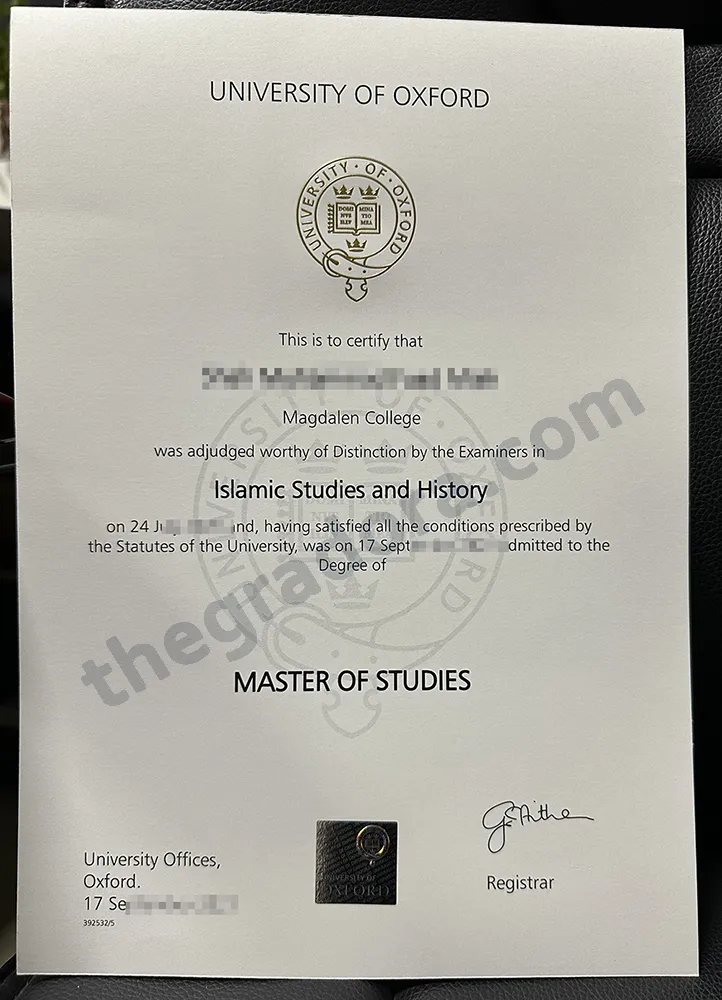
This is why a request form may ask what happened to the first certificate or require a declaration. If a damaged original is still in your possession, the university may tell you to return it or submit evidence of the damage. Follow the institution’s instructions rather than destroying the document yourself.
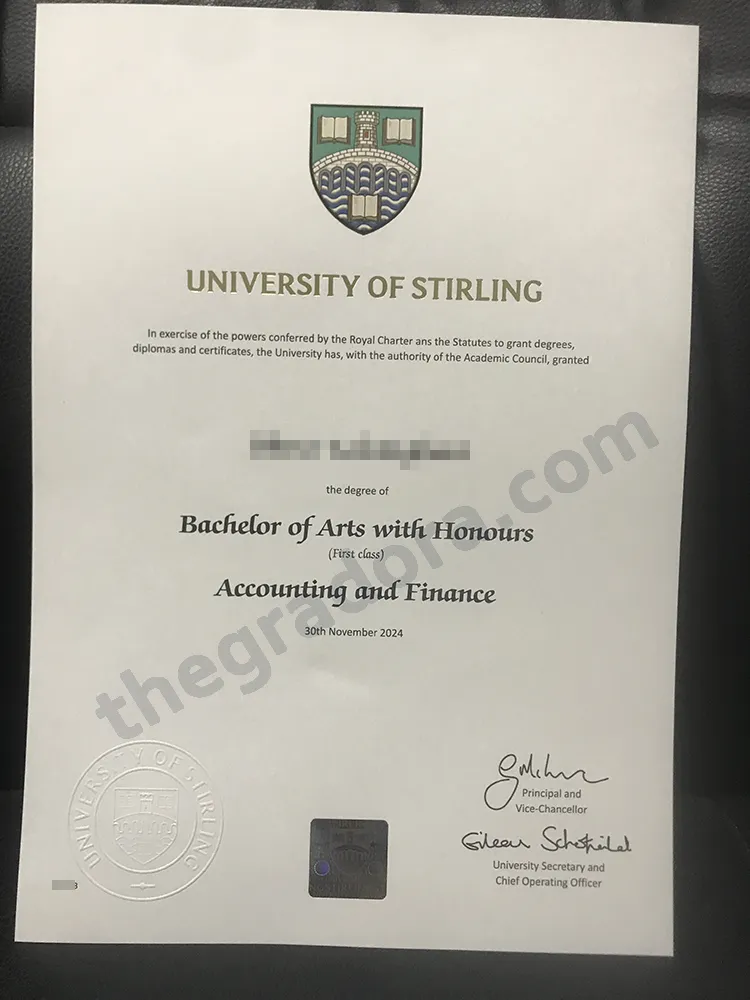
A replacement may not look exactly like a certificate printed years ago. Logos, signatures, security features, wording and paper can change. Stirling states that its replacements retain the award information from the original but are produced on current certificate paper. That is normal and does not change the underlying academic record.
Contact the University That Awarded the Degree
The university that taught you is often the awarding body, but not always. Some colleges deliver a course that leads to a degree awarded by a partner university. A franchise, validation or partnership arrangement may mean the name of the awarding institution differs from the campus or college you remember.
Check an old transcript, results letter, graduation programme, student email, prospectus or photograph of the missing certificate. Look for wording such as “awarded by”, not just the location where teaching took place. GOV.UK’s guide to checking who can award a UK degree also explains that the teaching college and awarding higher education institution can be different.
If you still cannot identify the awarding university, contact the college’s student records team and ask:
- Which institution awarded the qualification in my graduation year?
- Did the awarding partner change during the course?
- What was the exact degree title and classification?
- What student, candidate or enrolment number was used?
- Which organisation now holds the academic record?
For a broader explanation of tracing lost school, college and university records, see THEGRADORA’s replacement educational documents guide. If your missing document is a US-style college diploma rather than a UK degree certificate, the process is covered separately in our guide to requesting a replacement college diploma online.
Replacement Certificate, Transcript or Verification Letter?
Before paying, ask the organisation requesting evidence exactly what it will accept. A replacement degree certificate, academic transcript, award letter and third-party verification serve related but different purposes.
Replacement degree certificate
This is the closest university-issued substitute for the missing original. It normally states the graduate’s name as recorded for the award, qualification title and award date. It may be marked or recorded as a replacement and may use the university’s current paper and authorised signatures.
Academic transcript
A transcript usually gives more detail about the course: modules, marks, credits, academic years and the final award. The exact contents depend on the university and the age of the record. A transcript can be more useful than a certificate when another university is assessing prior study.
Award or degree-confirmation letter
A confirmation letter states that the university’s records show the graduate completed a named award. It may also include attendance dates and classification. Oxford, for example, offers a digital Degree Confirmation Letter that can be shared through its electronic document service. This may be more suitable than ordering another certificate when you still possess the original but need secure evidence for a third party.
Third-party degree verification
Employers, agencies, universities, embassies and councils may use Higher Education Degree Datacheck. Hedd, operated by Jisc, connects approved enquirers with participating institutions and requires evidence of the graduate’s consent. Hedd states that its service is not intended for graduates to verify their own awards.
Ask before ordering: if an employer wants a response sent directly by the university, posting it a replacement certificate may not satisfy the request. If another university needs module marks, a certificate alone may not be enough. One email to the recipient can prevent the wrong purchase.
How to Replace a Lost Degree Certificate Step by Step
1. Search the awarding university’s current website
Use the institution’s own search function and try “replacement degree certificate”, “replacement award certificate”, “duplicate certificate”, “student records”, “alumni documents” or “certificates and transcripts”. Universities often place the service in an online store, registry, graduation office or student administration area.
Check the domain carefully. A payment page may use a university store subdomain, but it should be linked from the main university website. Avoid forms copied onto unrelated websites, especially those requesting passport scans or payment details.
2. Read the eligibility rules before paying
Confirm that the service covers your graduation year and qualification type. A university may use a different route for older records, awards validated for another institution, honorary degrees, certificates issued by a predecessor body or students who completed study but never had the degree formally conferred.
Oxford provides a good example of why this matters. Its guidance says a graduate must have had the degree conferred at a ceremony, either in person or in absence, before a degree certificate can be issued. It also gives separate advice to people whose ceremonies took place before February 2010.
3. Confirm which document you need
Ask the employer, university, regulator, embassy or government department whether it needs the certificate itself, a transcript, an award letter or direct verification. If a deadline is close, ask whether an electronic document or confirmation letter will be accepted while the paper replacement is being produced.
4. Gather your student and award details
Collect as many accurate details as possible before opening the application. Useful information includes:
- full name used while studying and at graduation;
- current full name, if different;
- date of birth;
- student, candidate or enrolment number;
- exact degree title, such as BA, BSc, MA, MSc or PhD;
- subject and classification, where applicable;
- dates of attendance;
- graduation or conferral date;
- college, school, department or partner institution;
- current postal address, email and telephone number; and
- delivery address and destination country.
If you do not remember the precise ceremony date, give the closest accurate estimate and explain that it is approximate. Oxford’s replacement page specifically says an estimate is acceptable when a graduate cannot remember the exact ceremony date.
5. Prepare identity evidence
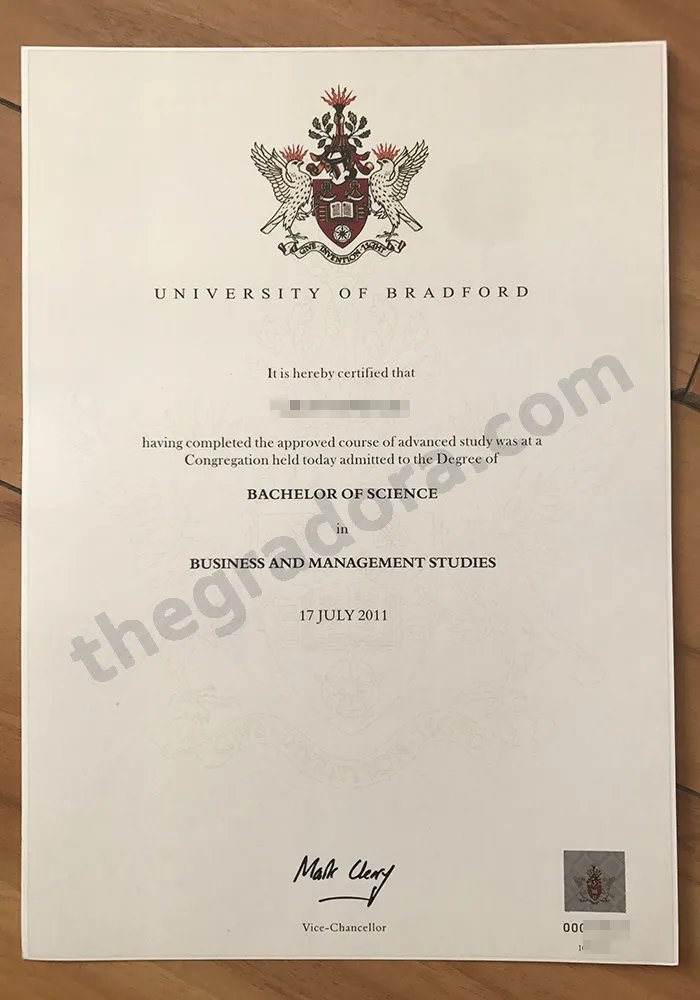
Universities need to protect academic and personal records. Be ready to provide a clear copy of a passport, photocard driving licence or another accepted document. University of Bradford, for example, tells applicants that proof of identity must be provided after the replacement order is placed. Stirling lists passport, driving licence or birth certificate among its accepted evidence, depending on the circumstances.
Upload identity files only through the method stated by the university. Check that the scan is legible but do not send extra sensitive documents that have not been requested. Keep a note of what you supplied and when.
6. Explain what happened to the original
The application may ask whether the certificate was lost, stolen, destroyed or damaged. Answer plainly. Some universities require a declaration that the original is no longer available; others explain through their terms that an earlier certificate cannot remain in use after a replacement is issued.
If the original is damaged, take clear photographs before submitting the request. Do not attempt to edit, recreate or repair the academic details yourself. Ask whether the damaged document must be returned.
7. Complete the form and check every field
Match the spelling and order of names to the university’s historic record unless the form specifically asks for current details. Review the degree title, dates, email and delivery address. A small error can delay the search or place the wrong information on a document that is expensive to reissue.
8. Review the fee and delivery method
Check whether the published charge includes postage. Overseas courier delivery, tracking, multiple awards and additional documents may cost extra. Use a delivery address where someone can safely receive the package, and follow any restriction on PO boxes.
9. Save the order confirmation
Keep the receipt, order number, submitted form and any emails. If the university’s stated processing period passes, contact the relevant team once and include the reference. Sending a second paid application can create confusion unless the university tells you to do so.
What Documents May Be Required?
Requirements vary, but a university may request one or more of the following:
- a completed replacement certificate application;
- passport, photocard driving licence or other accepted identity evidence;
- a signed declaration explaining the loss or destruction;
- the damaged original or images showing its condition;
- a marriage certificate, deed poll or other evidence linking a current name to the student record;
- an old transcript, results letter or photograph of the certificate;
- student number and graduation details;
- consent if an authorised third party is involved; and
- payment and delivery information.
Do not assume that every item is required. Sending unnecessary identity evidence increases privacy risk and can make an application harder to review. Follow the university’s current checklist for your specific request.
How Much Does a Replacement Degree Certificate Cost?
There is no standard UK price. Universities set their own charges, and the amount can change. Postage, tracked delivery and overseas courier services may be separate.
As checked on 17 September 2026, published examples show the range:
- The University of Cambridge lists £15 per degree certificate.
- The University of Stirling lists £35 for an untracked UK or overseas replacement.
- The University of Bradford lists £40.
- The University of Oxford lists £55 per certificate and states that the charge becomes £58 from 1 October 2026, with some delivery choices charged separately.
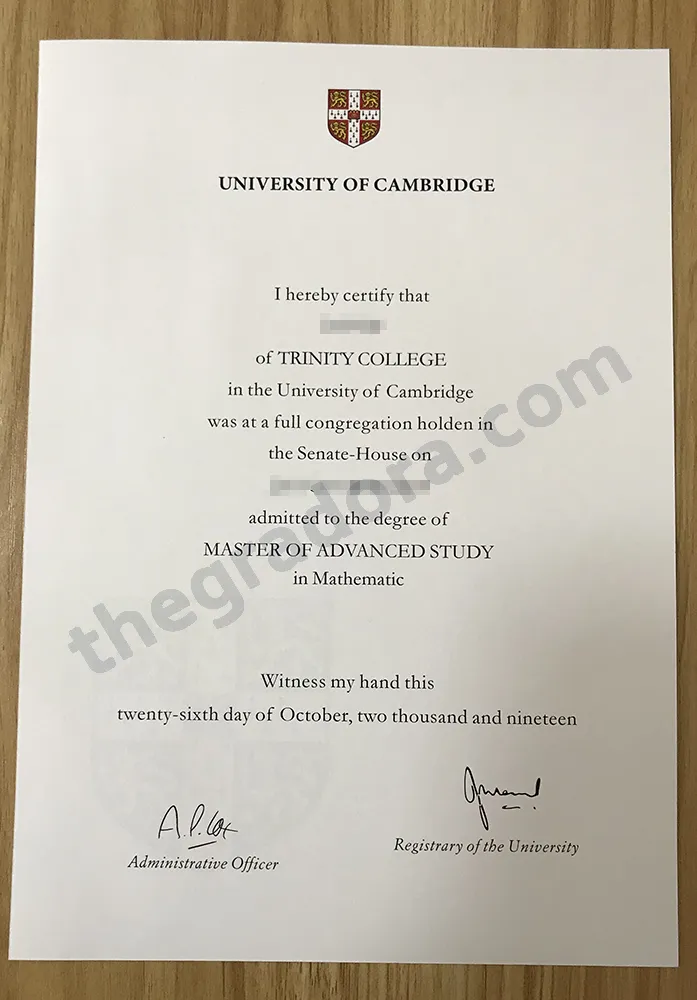
These figures are examples, not quotations for every graduate. Open the live university page immediately before ordering. Also check whether you are paying for one award, one document or a bundle. Someone with separate bachelor’s and master’s awards may need to pay for each certificate.
How Long Does a Replacement Degree Certificate Take?
Allow several weeks unless your university states otherwise. The clock may start only after the institution receives identity evidence and any declaration, not necessarily when the online payment is made.
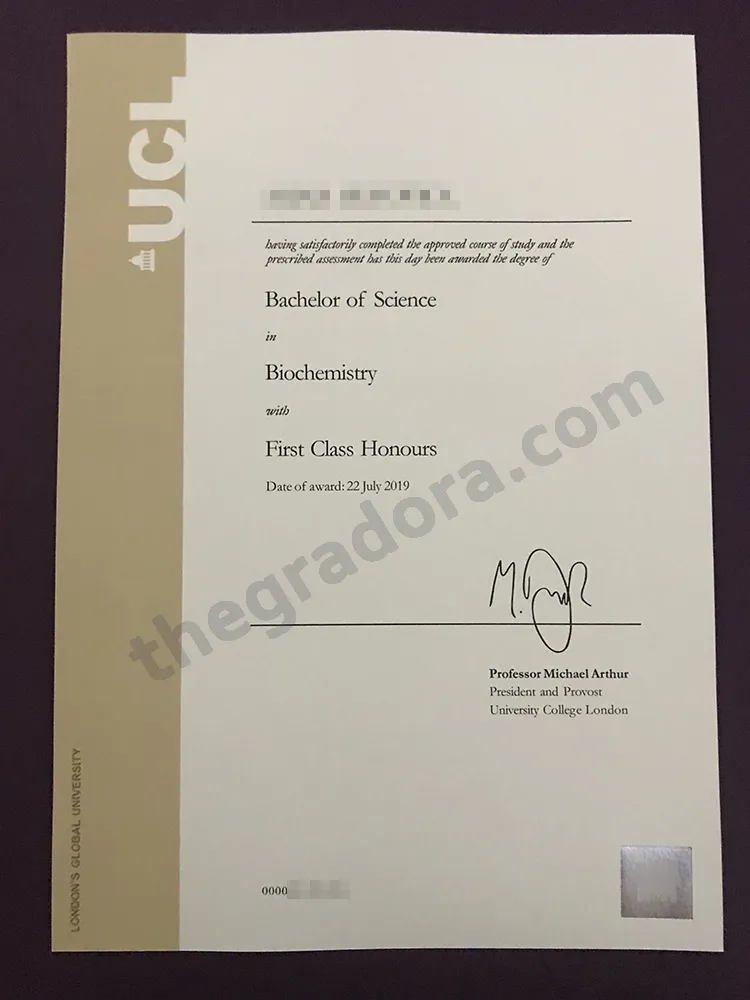
Current published examples also vary. Oxford says online-store orders can take up to 21 working days to process. Stirling asks applicants to allow up to four weeks after identity evidence is received. UCL says replacement award certificates can take up to four weeks to process and dispatch.
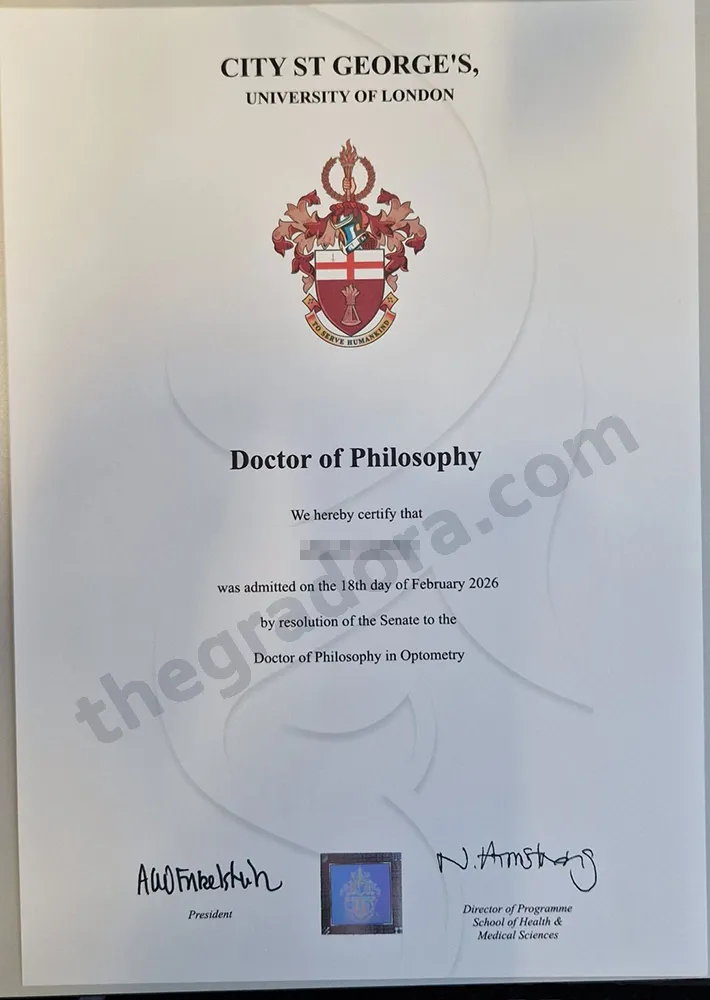
City St George’s states that it aims to produce replacements within 10 working days, excluding delivery.
Add postal or courier time, particularly for overseas addresses. Busy graduation periods, archived paper records, a changed name, incomplete information or an older predecessor institution can extend the process. Apply as soon as the need is known rather than paying for urgent third-party services that cannot access the university’s records.
What If You Need Proof Urgently?
Contact the recipient and the university. Explain the deadline and ask whether one of these alternatives is available:
- a secure electronic award document;
- a digital degree-confirmation letter;
- an academic transcript that confirms the award;
- a letter sent directly by the university;
- verification through Hedd for an eligible third-party enquirer; or
- temporary acceptance of the replacement order receipt with other records.
The right substitute depends on the purpose. GOV.UK guidance for proving English knowledge in certain immigration and citizenship contexts, for example, says that when a degree certificate is lost or still pending, acceptable proof can include a transcript confirming the award or a university letter containing specified information. That does not mean the same documents are accepted for every application; follow the rules of the exact process you are using.
Do not describe an ordinary scan as university verification. If the receiving organisation wants confirmation from the source, ask it to use the university’s nominated channel.
Need a Faster Option for Personal Display?
If the university’s replacement process is taking longer than you can wait and you only need a personalised certificate for framing, graduation photography, a private presentation or commemorative display, THEGRADORA offers a separate non-university-issued option.
You can browse our personalised degree certificates or Request Sample & Quote for your project.
Can You Change the Name on a Replacement Certificate?
Often, a replacement is issued in the name held at the time of the award. A later marriage, divorce or deed poll may not automatically change the historic certificate. Stirling, for example, says its replacement bears the graduate’s name at graduation and that names cannot be changed retrospectively.
Policies differ, and some institutions may have separate procedures for correcting an administrative error or for particular personal circumstances. Contact the records team before ordering. Ask whether the certificate can be changed, whether it must remain in the former name, and what documents can connect the academic record to your current identity.
If the certificate remains in a former name, the receiving organisation may accept it together with a marriage certificate, deed poll or another linking document. Confirm what it requires before sending personal records.
What If the Certificate Was Damaged?
A damaged certificate can normally be handled through the replacement route, but the university may want the original returned. Keep it safe until you have read the instructions. Photograph both sides and any envelope or accompanying letter that contains useful reference information.
Water damage, torn paper, fading and broken seals are not repaired by changing a scan. The university decides whether to issue another certificate and what happens to the damaged copy. The new document may use current paper, signatures and branding.
What If You Never Received the Original?
Do not immediately pay for a replacement. Contact the graduation or student records team and explain that the first certificate did not arrive. There may be a limited period in which the university investigates delivery or issues another copy without the normal replacement charge.
Oxford illustrates this point: it asks graduates to notify their college within three months of the ceremony if a certificate has not arrived; after that period, a replacement charge may apply. Other universities use different deadlines, so check quickly.
Also confirm that the degree was formally awarded and that there is no administrative hold. Completing examinations, attending a course or receiving provisional results does not always mean a certificate has already been issued.
What If the University Changed Its Name, Merged or Closed?
Start with the successor institution. Search the former university name together with “student records”, “replacement certificate” and “transcript”. Hedd’s institution directory can also help identify historic institutions and the organisations that now handle verification or alumni documents.
If you studied at a college whose degree was awarded by a university, contact the awarding university first. If the awarding body has changed, give both the old and new names in your enquiry. Include the campus, course, attendance years and any student number.
Do not assume that the current institution can reproduce the exact appearance of an old certificate. It may issue a current-format replacement, an archive letter or another record-based document. What matters is that the response comes from the organisation responsible for the academic record.
Can an Employer Verify Your Degree Directly?
Yes, but the method depends on the university. Many UK institutions use Hedd for employer, agency, embassy, university and council checks. Others operate their own verification portal or respond through a registry team.
Hedd requires the enquirer to have an approved account and proof of the graduate’s consent. It can confirm information such as place of study, award, grade and attendance dates for participating institutions. A graduate should not create an employer-style enquiry to verify their own award; Hedd says the service is for third-party enquirers.
Ask the employer which route it uses. If it needs consent, read the form carefully and limit permission to the information required. A replacement certificate and direct verification are separate services, and an employer may ask for either or both.
Using a Replacement Degree Certificate Overseas
Before ordering, ask the overseas recipient whether it accepts a paper replacement, secure electronic document, transcript, confirmation letter or direct university verification. Also ask whether the document needs translation, notarisation or an apostille. Requirements vary by country and purpose.
For UK document legalisation, GOV.UK says qualification certificates can be eligible when certified by a UK public official such as a notary or solicitor. The UK Legalisation Office guidance tells applicants to ask the receiving authority whether it needs an original or certified copy and what form of apostille is accepted.
Do not legalise a decorative certificate or an altered scan. Obtain the university-issued document first, then follow the receiving country’s requirements in the correct order. If a translation is required, ask whether the translator must meet a particular standard.
Common Mistakes to Avoid
Contacting the teaching college instead of the awarding university
The college may help identify your record, but the university named as the awarding body is normally responsible for the degree certificate.
Ordering a replacement when the recipient needs a transcript
A certificate confirms the award but usually does not list modules, credits and marks. Ask what evidence is required before paying.
Using only your current name
Give the name held during study and graduation. If it differs from your current identity, provide the linking evidence requested by the university.
Assuming every university has the same price and turnaround
Fees and processing periods vary considerably. Read the live page for your university and include delivery time in your plan.
Paying an unrelated seller to recreate the certificate
An unrelated business cannot search or certify a university’s academic record. For employment, further study, immigration, professional registration or verification, use the awarding university or its nominated verification service.
Sending identity documents through an unverified form
Begin on the university’s main website, follow its own link and check the domain before uploading a passport or driving licence.
Waiting until the deadline
Production and overseas delivery can take weeks. If time is short, ask whether a university letter, transcript or electronic document can be used temporarily.
Important Notice
THEGRADORA is not a university, degree-awarding body, records office or academic verification service. THEGRADORA products are personalised commemorative display certificates intended for personal display, gifting, remembrance, photography, theatre and events.
They are not university-issued degree certificates, replacement academic records, transcripts, licences or identity documents. They must never be used for employment, education admission, professional registration, immigration, identity checks, degree verification or any misleading purpose. If you need proof of a UK degree, contact the awarding university or its nominated verification service. More information about THEGRADORA is available on the THEGRADORA homepage.
Replacement Degree Certificate Checklist
- Identify the university that awarded the degree.
- Ask the recipient which document it will accept.
- Find the university’s current replacement certificate page.
- Check eligibility for your graduation year and award type.
- Collect your former name, student number and award details.
- Prepare only the identity evidence requested.
- Explain accurately what happened to the original certificate.
- Confirm whether a damaged original must be returned.
- Check the live fee, postage and courier charges.
- Allow for processing and delivery time.
- Save the receipt and order reference.
- Use the university’s verification route when a third party requires it.
- Check overseas translation or apostille requirements before sending documents.
Frequently Asked Questions
Can I get a replacement degree certificate in the UK?
Usually, yes. Apply to the university that awarded the degree. The institution will decide whether you qualify for a replacement and may ask for identity evidence, award details, an explanation of the loss or damage and a fee.
How do I get a replacement degree certificate?
Find the awarding university’s certificate or student records page, read its eligibility rules, gather your student and award details, prepare the requested identity evidence, complete the application and pay the current fee. Save the order reference and allow for production and delivery.
How much does a replacement degree certificate cost?
There is no standard UK fee. As checked on 17 September 2026, published university examples ranged from £15 to £55, before some delivery charges. Check your awarding university’s live page because prices can change.
How long does a replacement degree certificate take?
Many universities ask applicants to allow several weeks. Published examples range from about 10 working days to four weeks for processing, with delivery time added. Missing information, older records and overseas postage can make the process longer.
Can I order more than one copy of my degree certificate?
Not always. Some universities permit only one certificate for an award to be in existence at a time and issue a replacement only when the original has been lost, destroyed or returned. Read the university’s policy before ordering extra copies.
Is a transcript the same as a degree certificate?
No. A degree certificate records the award, while a transcript usually contains course modules, marks, credits and academic years. Ask the receiving organisation which document it needs.
Can I use a degree-confirmation letter instead?
Possibly. Employers, universities and government processes may accept a university-issued award or degree-confirmation letter, especially while a replacement is being produced. Acceptance depends on the recipient, so ask before ordering.
Can the name on a replacement certificate be changed?
Many universities issue the replacement in the name held at graduation, although policies differ. Contact the records team before applying and ask what evidence is required to connect a former name with your current identity.
What if I studied at a college rather than the awarding university?
Check which university awarded the degree. The teaching college may help identify the awarding partner, but the awarding institution normally handles the replacement certificate and verification.
What if my university has changed its name or merged?
Contact the successor institution and give both the former and current names, your course, campus, attendance dates and student number. Hedd’s institution directory may also help identify who now handles records and verification.
Can an employer verify my UK degree through Hedd?
Many participating universities use Hedd for approved employers and other third-party enquirers. The enquirer needs an account and proof of your consent. Hedd states that the service is not for graduates to verify their own awards.
Do I need an apostille for a replacement degree certificate?
Only if the overseas recipient requires one. Ask whether it needs the original or a certified copy, whether notarisation is required and whether a paper or electronic apostille is accepted. Follow UK Legalisation Office guidance after obtaining the university-issued document.
Final Advice
A lost degree certificate is inconvenient, but the route is usually manageable once you identify the correct awarding university. Start with the recipient’s requirements, gather accurate student information and apply through the university’s current records process. Do not assume that the teaching college, a general exam board or a private seller can replace a university award.
If the deadline is close, ask about a transcript, secure electronic record or degree-confirmation letter rather than waiting silently for the paper certificate. Keep your receipt and correspondence, then store the replacement safely with a protected digital scan for your own records.